
Introduction: Why Apartments Are the Heart of Contemporary Housing
Apartments have become the quintessential choice for modern living, particularly in bustling urban environments where space is at a premium and lifestyle demands are evolving. No longer seen as temporary dwellings or stepping stones to homeownership, apartments are now appreciated as elegant, efficient, and often luxurious living spaces that meet the needs of a wide range of residents—from young professionals and small families to retirees and investors. In a world increasingly focused on sustainability, convenience, and community, apartments offer a dynamic and adaptable housing solution.
The rise of apartment living is not merely a response to population density or rising property prices; it is also a reflection of shifting lifestyle priorities. People are seeking homes that balance private comfort with shared amenities, that offer proximity to work and leisure, and that allow for a sense of community without sacrificing independence. Apartments deliver on all these fronts.
The Spectrum of Apartment Types: Options for Every Lifestyle
Not all apartments are created equal. The diversity within apartment styles allows for personalization and functionality, catering to distinct needs and preferences.
-
Studio Apartments
These compact units combine living, sleeping, and cooking areas in one open space. Ideal for singles, minimalists, and frequent travelers, studios emphasize efficiency and are often more affordable than larger apartments. -
One- and Two-Bedroom Apartments
These are the most common formats, providing separate bedrooms and more living space. They suit couples, small families, or individuals seeking room for guests or a home office. -
Luxury Apartments
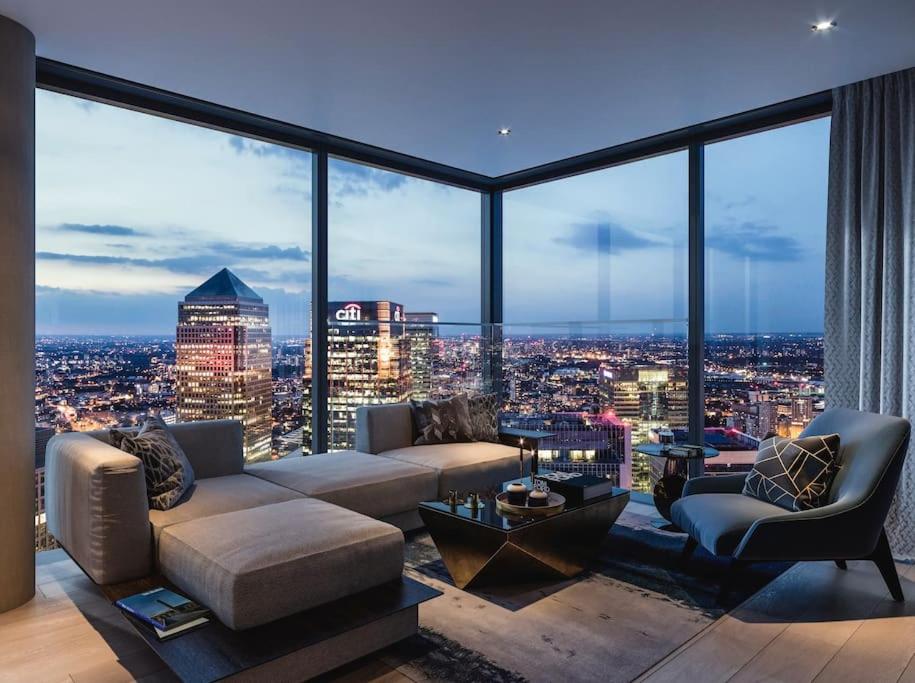
Often found in high-rise buildings in prime locations, luxury apartments boast high-end finishes, smart home features, and exclusive amenities such as fitness centers, rooftop terraces, and concierge services. -
Lofts and Duplexes
Loft apartments typically feature open layouts, tall ceilings, and industrial design elements, while duplexes offer two floors of living space. Both options provide a distinctive aesthetic and more room to spread out. -
Serviced Apartments
These are fully furnished units that include hotel-like services such as housekeeping and maintenance. They are popular among business travelers, expatriates, and those seeking short-term or flexible living arrangements.
Benefits of Apartment Living: Convenience Meets Community
The growing preference for apartment living can be attributed to a compelling list of practical and lifestyle benefits.
-
Prime Locations and Accessibility
Apartments are often situated in central neighborhoods, close to employment centers, public transport, schools, and entertainment hubs. This prime positioning reduces commute times and enhances access to city life. -
Maintenance-Free Living
Unlike single-family homes, apartments typically come with maintenance support. Landlords or building management handle repairs, landscaping, and communal upkeep, freeing residents from these responsibilities. -
Security and Safety Features
Most apartment buildings offer enhanced security, including secured entry points, surveillance cameras, intercom systems, and sometimes on-site personnel. These features provide a reassuring layer of protection. -
Community Amenities
Modern apartment complexes often include shared amenities such as gyms, swimming pools, lounges, and co-working spaces. These facilities foster a sense of community and enhance quality of life without requiring additional investment. -
Financial Flexibility
For many, renting an apartment is more financially feasible than purchasing a home, particularly in high-cost urban markets. Even for buyers, apartments often come at a lower price point than detached houses in the same area, making them an accessible entry into property ownership.
Considerations When Choosing Apartment Living
Despite its many advantages, apartment living comes with certain limitations that prospective residents should weigh carefully.
-
Space Constraints
Apartments generally offer less living and storage space than houses. This may necessitate careful furniture selection and creative organization to maintain comfort and functionality. -
Privacy and Noise
Shared walls and close proximity to neighbors can lead to noise disturbances and reduced privacy. Quality construction and respectful community norms can mitigate these concerns. -
Rules and Restrictions
Many apartment communities operate under specific guidelines, particularly in buildings with homeowner associations. Rules may cover pet ownership, renovations, noise levels, and use of communal areas. -
Limited Outdoor Access
While some apartments feature balconies or rooftop spaces, private gardens and large outdoor areas are rare. Access to nearby parks or shared outdoor spaces becomes important for those who value time outside.
Apartments as Investment Opportunities
Apartments also represent a compelling avenue for real estate investment. With consistent demand and manageable maintenance requirements, they offer strong potential for income and long-term growth.
-
Rental Demand and Yield
Urban centers and high-demand neighborhoods consistently attract renters, ensuring a steady income stream for landlords. Apartments, particularly smaller units, often enjoy higher occupancy rates. -
Lower Capital Requirement
Apartments typically require less upfront capital than single-family homes, allowing investors to enter the property market with more modest budgets. -
Maintenance and Management Simplicity
Compared to maintaining a house, apartment upkeep is more straightforward. Shared maintenance costs and professional management services can ease the burden on individual landlords. -
Appreciation and Resale Value
Apartments in well-located, well-managed buildings tend to retain or increase their value over time, especially in growing cities or areas with limited housing supply.
The Future of Apartment Living: Trends and Innovations
Apartment living continues to evolve, shaped by innovation, changing preferences, and societal trends.
-
Smart Home Integration
Modern apartments increasingly feature smart technology for lighting, climate control, and security. These systems enhance convenience, efficiency, and customization. -
Sustainable Design
Eco-conscious construction materials, energy-efficient appliances, and green certifications are becoming standard in new developments. Sustainable design appeals to environmentally aware residents and reduces utility costs. -
Work-from-Home Adaptations
The shift toward remote work has led to changes in apartment design. Developers now prioritize flexible spaces, soundproofing, and high-speed internet infrastructure to support work-from-home lifestyles. -
Community Engagement
Apartment complexes are incorporating more communal areas and events, from shared gardens and dog parks to social mixers and fitness classes, to cultivate a stronger sense of community.
Conclusion: Apartments as a Reflection of Modern Living Values
Apartments offer a balanced, refined way to live, combining efficiency with elegance, convenience with community. They meet the needs of contemporary urban dwellers who value accessibility, low-maintenance living, and a vibrant environment. As cities continue to grow and evolve, apartments will remain at the forefront of residential design and innovation, reflecting the diverse lifestyles and aspirations of those who call them home. Whether as a personal residence or an investment, apartments represent not just a place to live, but a thoughtful choice that aligns with the rhythms and values of modern life.