
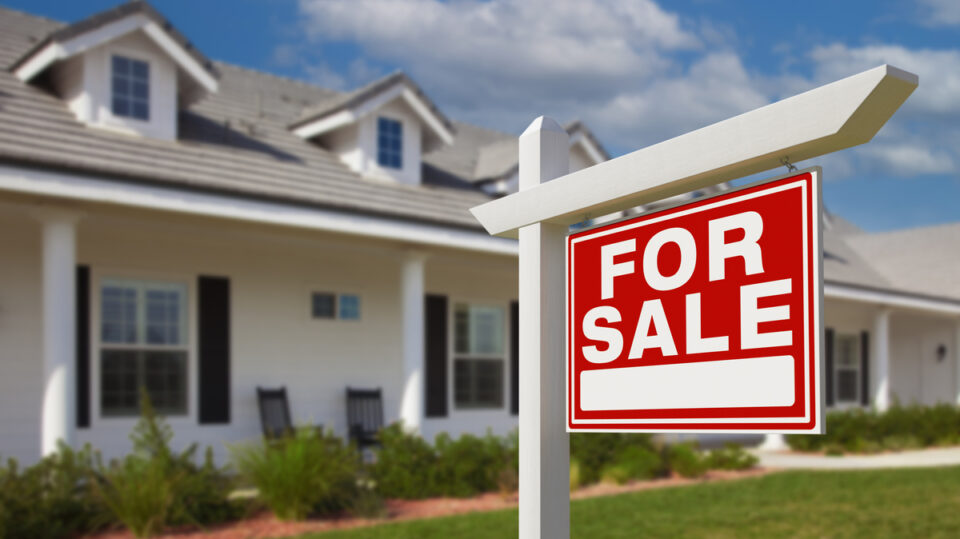
Selling a home is a complex, multi-step journey that requires careful planning, financial preparation, and strategic timing. Many homeowners underestimate the time and effort involved, leading to rushed decisions and missed financial opportunities. A structured roadmap transforms a chaotic experience into a controlled, predictable process. Understanding each phase of the selling timeline ensures that you maximize your property value, attract qualified buyers, and navigate closing day with absolute confidence.
Phase One: Preparation and Decluttering (Months Two to Three Before Listing)
Long before you put a sign in your front yard, the groundwork for a successful sale begins behind closed doors. Buyers evaluate properties with a critical eye, looking for reasons to discount their offers. Taking care of deferred maintenance and deep cleaning early prevents negative impressions during showings.
-
Decluttering and Depersonalizing: Remove family photos, religious items, and excess furniture to help prospective buyers visualize themselves living in the space.
-
Tackling Minor Repairs: Fix leaky faucets, patch drywall holes, replace burnt-out lightbulbs, and oil squeaky hinges before any photographer or buyer walks through the door.
-
Deep Cleaning: Hire professional cleaners to scrub carpets, wash windows, and polish fixtures so the entire house smells fresh and looks immaculate.
Investing time into deep cleaning and small repairs dramatically boosts the perceived value of your home without requiring a massive renovation budget.
Phase Two: Strategic Pricing and Agent Selection (Month One Before Listing)
Setting the right initial list price is the single most important factor in determining how quickly your home will sell and how much profit you will walk away with. Overpricing leads to stagnation on the market, while underpricing leaves money on the table.
-
Comparative Market Analysis: Review recent sales of similar homes in your immediate neighborhood to establish an objective, data-driven pricing baseline.
-
Interviewing Real Estate Professionals: Meet with multiple listing agents to evaluate their marketing strategies, local market expertise, and track records for closed sales.
-
Signing Representation Agreements: Finalize your listing agreement, establish commission terms, and map out a synchronized launch calendar with your chosen professional.
Collaborating with an experienced agent ensures your pricing strategy aligns with current buyer demand and seasonal market fluctuations.
Phase Three: Staging and Professional Media (Two Weeks Before Listing)
First impressions happen online long before a buyer visits in person. With the vast majority of home searches beginning on digital platforms, visual presentation dictates your click-through rate and showing volume.
-
Professional Home Staging: Arrange furniture to optimize spatial flow, highlight architectural features, and create a welcoming, upscale ambiance throughout every room.
-
High-End Photography and Video: Hire architectural photographers to capture bright, wide-angle interior and exterior shots, complemented by drone footage or virtual 360-degree tours.
-
Curb Appeal Enhancement: Power-wash walkways, mow the lawn, trim overgrown bushes, and place fresh potted plants near the front entryway to maximize exterior appeal.
Flawless digital presentation compels busy buyers to schedule an in-person tour instead of scrolling past your listing.
Phase Four: Hitting the Market and Managing Showings (Weeks One to Three Active)
The moment your property officially goes live on the multiple listing service, market activity peaks. The first two weeks generate the highest volume of buyer interest, making your availability and responsiveness critical.
-
Lockbox and Showing Schedules: Coordinate with your agent to establish clear rules for showing notifications, allowing you to keep the home show-ready at a moment notice.
-
Hosting Open Houses: Organize broker preview events and weekend public open houses to drive maximum foot traffic and create competitive urgency among buyers.
-
Reviewing Market Feedback: Collect feedback from visiting agents and buyers to gauge pricing accuracy and address any recurring concerns about the property.
Remaining flexible and accommodating during the initial active phase allows you to capture momentum and encourage prompt offers.
Phase Five: Negotiating Offers and Entering Escrow (Weeks Four to Six)
Once an offer or multiple competing offers arrive, your agent evaluates the financial strength of the buyers, contingencies, and proposed closing timelines. Negotiating terms requires strategy and patience.
-
Evaluating Purchase Agreements: Look beyond the headline purchase price to examine earnest money deposits, financing types, inspection contingencies, and proposed closing dates.
-
Counteroffers and Concessions: Negotiate terms that protect your financial interests, ensuring the buyer is qualified and genuinely committed to completing the purchase.
-
Opening Escrow: Sign the accepted purchase contract and deposit earnest money into a secure escrow account, officially triggering the transaction timeline.
Securing a solid contract moves you past the uncertainty of the open market and into the structured legal closing phase.
Phase Six: Due Diligence, Appraisals, and Closing (Weeks Seven to Ten)
The final stretch of the selling process involves satisfying contractual contingencies, passing municipal inspections, and ensuring the buyer mortgage lender approves the property value.
-
Home Inspections and Repairs: Accommodate the buyer home inspector and negotiate any repair credits or remediation requests agreed upon in the contract.
-
Appraisal Verification: Ensure the bank appraiser has access to recent comparable sales data so the property appraises at or above the agreed purchase price.
-
Final Walkthrough and Closing Day: Complete the final walkthrough with the buyer, sign transfer documents with the escrow officer or closing attorney, and disburse final funds.
Clear communication and organized documentation ensure a seamless transition from your ownership to the hands of the new buyer.
Frequently Asked Questions
What is the average duration of the entire house-selling process from start to finish?
From initial preparation to final closing day, the typical residential real estate transaction takes anywhere from three to four months, assuming the property is priced correctly and listed in a stable market.
How do I handle multiple competing offers on my home?
When multiple offers arrive, your agent can issue a highest and best call to all interested buyers, prompting them to submit their strongest financial terms, larger earnest money deposits, or waived contingencies.
What happens if my home fails the appraisal during escrow?
If the property appraises for less than the purchase price, you can negotiate with the buyer to bridge the gap in cash, lower the sale price to meet the appraisal value, or relist the property if the buyer walks away.
Should I stay in the home while it is listed on the market?
Staying in the home is acceptable, but you must keep the property impeccably clean, remove pets during showings, and be prepared to vacate the premises on short notice whenever a showing is scheduled.
What are seller concessions and are they mandatory?
Seller concessions are financial contributions requested by the buyer to help cover their closing costs or repairs. They are not strictly mandatory, but they are frequently negotiated as part of the purchase agreement depending on market conditions.
What documents do I need to prepare before selling my house?
Essential documents include the original deed, property tax statements, homeowner association bylaws if applicable, appliance warranties, receipts for major home renovations, and records of past utility bills.