
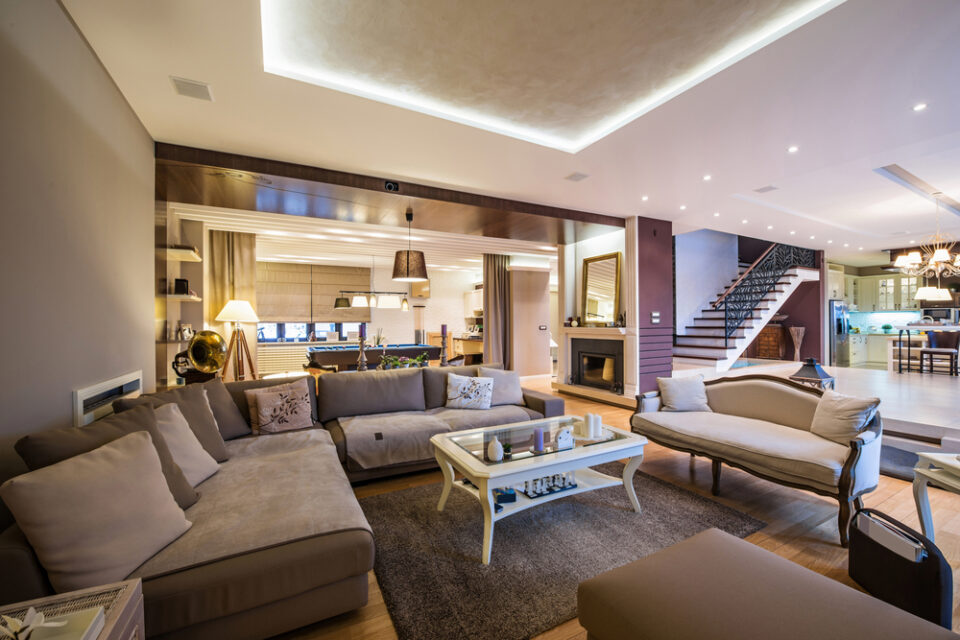
The modern real estate landscape is undergoing a massive structural transformation. While entry-level and mid-tier housing sectors face pressures from fluctuating mortgage rates and affordability limits, the high-end residential sector continues to break records. Luxury apartments are consistently outperforming traditional single-family housing and standard suburban developments. Wealthy purchasers, high-net-worth individuals, and discerning investors are increasingly turning away from conventional properties, choosing instead to park their capital in high-end vertical communities. This shift is not a temporary anomaly; it is driven by deep economic shifts, evolving lifestyle choices, and a demand for operational convenience.
The Economic Resilience of High-End Buyers
One of the primary catalysts behind the dominance of luxury real estate is the financial profile of its target demographic. Traditional housing markets rely heavily on middle-income buyers who depend on mortgage financing. When borrowing costs rise, this segment frequently pauses its purchasing plans, leading to slowed sales velocity and stagnant price growth.
-
Cash Purchases: A significant percentage of luxury apartment transactions involve all-cash buyers or substantial down payments, rendering them largely immune to interest rate hikes.
-
Wealth Accumulation: Affluent buyers often benefit from diversified portfolios, including equities and private equity, shielding them from localized economic downturns.
-
Inflation Hedge: Real estate in prime urban centers remains a favored vehicle for preserving capital against inflationary pressures, driving continuous demand.
Because high-end buyers are less constrained by macroeconomic volatility, the luxury segment maintains steady transaction volumes even when the broader housing market cools down.
Changing Lifestyle Preferences and Urban Mobility
The definition of a dream home has evolved dramatically. Decades ago, suburban sprawl dominated the aspirations of growing families. Today, professionals, entrepreneurs, and empty nesters alike place a premium on time, location, and frictionless living. Traditional single-family homes often come with demanding maintenance requirements, lengthy commutes, and isolated locations.
Luxury vertical communities eliminate these pain points by offering strategic urban placement. Residents find themselves minutes away from financial districts, fine dining, cultural hubs, and private aviation centers. This proximity reduces daily commuting stress, returning valuable hours to the homeowner. The appeal lies in seamless mobility and an environment where convenience is built into the architecture.
Integrated Wellness and Resort-Grade Amenities
Traditional housing stock rarely offers comprehensive lifestyle amenities without substantial personal investment in renovations and upkeep. In contrast, luxury apartment complexes function as self-contained ecosystems designed around physical and mental well-being.
-
Advanced Wellness Facilities: State-of-the-art fitness centers, private yoga studios, lap pools, and spa facilities are standard features within high-end towers.
-
Green Spaces: Biophilic design principles incorporate rooftop gardens, vertical flora, and landscaped courtyards directly into the residential footprint.
-
Community Curation: Controlled access, private lounges, and co-working spaces foster a secure, sophisticated environment tailored to modern hybrid work schedules.
Buyers recognize that acquiring a luxury apartment includes access to an elevated lifestyle that would be exorbitantly expensive and logistically difficult to replicate in a standalone traditional home.
Superior Property Management and Maintenance-Free Living
Owning a traditional single-family house involves continuous oversight. Roof repairs, landscaping, HVAC servicing, and security management demand constant time and financial expenditure. For busy executives and frequent travelers, this maintenance burden is highly unappealing.
Luxury apartment living shifts the burden of property upkeep to professional management teams. Everything from concierge services and valet parking to 24-hour security and structural maintenance is handled seamlessly behind the scenes. This turnkey lifestyle appeals heavily to individuals who value absolute peace of mind and the freedom to lock their door and travel for months without worry.
Stronger Capital Appreciation and Rental Yields
From an investment standpoint, luxury apartments frequently outperform traditional housing stock in terms of long-term value retention. Prime land plots in major metropolitan centers are finite. As cities densify, the availability of land in core locations shrinks, creating a natural supply bottleneck that drives up the value of vertical luxury assets.
Furthermore, the rental market for high-end properties remains exceptionally robust. Corporate executives, expatriates, and affluent relocations seek out managed luxury apartments over traditional rental houses due to the security, prestige, and services provided. This dynamic ensures that investors enjoy reliable rental yields alongside steady capital appreciation.
Future-Proofing Through Smart Technology and Sustainability
Modern construction standards in the luxury sector incorporate technologies that older, traditional housing markets struggle to match without expensive retrofitting. High-end developments are engineered with smart-home automation ecosystems, climate-control optimization, touchless entry, and high-speed fiber infrastructure.
Additionally, sustainability is no longer an afterthought. Luxury developers utilize green-certified building materials, energy-efficient HVAC configurations, rainwater harvesting systems, and solar integration. Environmentally conscious buyers are willing to pay a premium for properties that minimize ecological footprints while lowering long-term utility costs, setting a standard that traditional housing stock finds difficult to emulate.
Frequently Asked Questions
Why are luxury apartments considered a safer investment than traditional houses during economic downturns?
Luxury real estate buyers typically possess high liquidity and often purchase properties with cash or large down payments. This reduces their sensitivity to mortgage rate fluctuations, keeping demand stable even when the broader market experiences a slowdown.
How do maintenance requirements differ between luxury apartments and traditional homes?
Traditional homes require owners to personally manage and finance all repairs, landscaping, and security updates. Luxury apartments feature professional property management teams that handle all structural upkeep, security, and shared amenity maintenance as part of the community service model.
Do luxury apartments offer better rental yields compared to standard suburban houses?
In many prime urban micro-markets, luxury apartments command higher rental demand from corporate executives, diplomats, and affluent professionals who prioritize central locations and managed services, often translating to superior yields.
What role does location play in the outperformance of luxury real estate?
Luxury apartments are typically constructed in prime, supply-constrained urban centers close to business districts and cultural hubs. Because available land in these areas is limited, these properties retain their desirability and appreciate faster than sprawling suburban developments.
Are smart home features standard in modern luxury apartments?
Yes. High-end developments integrate comprehensive smart-home ecosystems—including automated lighting, climate regulation, advanced security, and touchless access—directly into the blueprint during construction, offering far more cohesion than retrofitted traditional homes.
How do sustainability practices influence the luxury housing market?
Affluent buyers increasingly demand eco-friendly features, such as energy-efficient systems, green-certified materials, and lower carbon footprints. Developers incorporate these elements to attract environmentally conscious purchasers who want sustainable living without sacrificing comfort.