
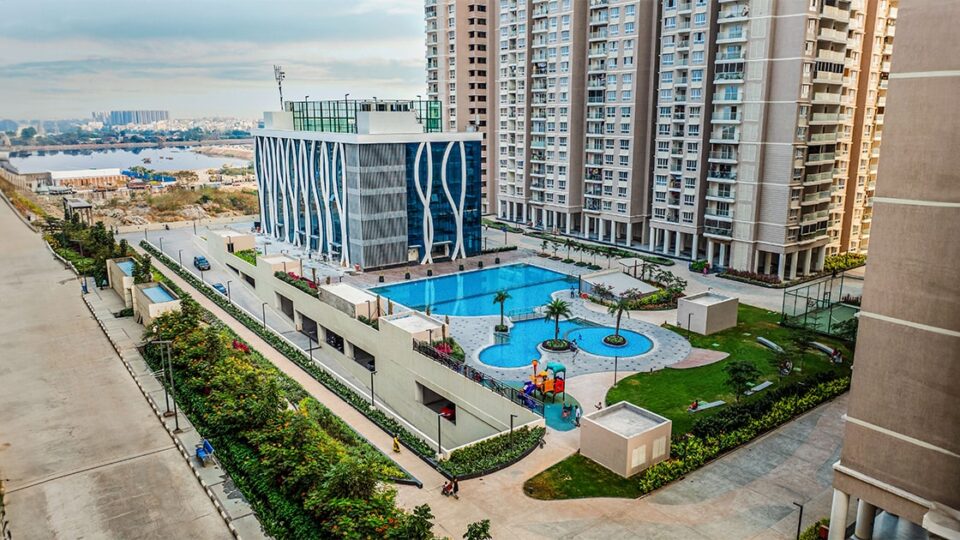
Introduction: The Rise of Apartment Living in a Changing World
Apartments have become emblematic of modern urban living, offering a blend of convenience, efficiency, and sophistication that aligns with the lifestyle preferences of today’s diverse population. As cities expand and populations grow, the demand for intelligent housing solutions has led to the evolution of apartments from simple dwellings into thoughtfully designed living spaces. Whether located in the heart of a bustling metropolis or nestled within suburban developments, apartments are redefining the way people live, work, and interact with their surroundings.
More than just a place to reside, apartments now serve as curated environments that reflect personal taste, support flexible lifestyles, and offer access to amenities that rival those of private homes. As the concept of home continues to evolve, apartments have emerged as an increasingly preferred choice across age groups, economic backgrounds, and lifestyle needs.
Understanding Apartment Types: A Space for Every Lifestyle
The apartment market offers a range of options designed to cater to individual preferences and practical requirements. Each type presents a distinct set of features, advantages, and considerations.
-
Studio Apartments
Ideal for singles and minimalists, studio apartments consist of a single open space that combines living, dining, and sleeping areas. Though compact, their layout often encourages efficient use of space and minimalist living. -
One- and Two-Bedroom Apartments
Offering greater separation of space, these apartments provide distinct bedrooms, making them suitable for couples, small families, or roommates seeking a balance between privacy and shared living. -
Luxury Apartments and Penthouses
Located in prime locations, luxury apartments boast high-end finishes, expansive layouts, and premium amenities such as concierge services, rooftop terraces, and private gyms. Penthouses, often on the top floors, offer panoramic views and exclusive features. -
Loft Apartments
Popular in urban areas, lofts typically feature high ceilings, large windows, and open layouts. Originally converted from industrial buildings, they now appeal to those seeking a blend of historic character and contemporary design. -
Serviced Apartments
These fully furnished units come with hotel-like services, including housekeeping and maintenance. Ideal for business travelers or short-term residents, they offer comfort with minimal responsibility.
Key Advantages of Apartment Living
Apartment living offers a unique combination of flexibility, access, and lifestyle benefits that continue to attract a wide range of residents.
-
Convenient Location
Apartments are often situated in central or well-connected areas, reducing commute times and offering proximity to shops, restaurants, and cultural attractions. This access enhances quality of life and supports a car-free lifestyle for many. -
Lower Maintenance Responsibilities
Residents of apartments benefit from shared maintenance services. Building management typically handles repairs, landscaping, and upkeep, freeing tenants and owners from time-consuming household tasks. -
Enhanced Security Features
Many apartment buildings offer security measures such as surveillance systems, secure entry points, and on-site staff. These features provide peace of mind, particularly for individuals living alone or frequently traveling. -
Community Amenities
Modern apartment complexes may include fitness centers, swimming pools, lounges, co-working spaces, and social rooms. These shared amenities enhance daily living and foster a sense of community among residents. -
Affordability and Flexibility
Compared to purchasing a single-family home in the same location, renting or buying an apartment is often more cost-effective. Apartments also allow for greater flexibility in terms of lease length or ease of relocation.
Challenges and Considerations of Apartment Living
While apartment living offers numerous advantages, it also comes with considerations that prospective residents should evaluate carefully.
-
Limited Space
Apartments generally provide less square footage than detached homes. This may require creative storage solutions and thoughtful furniture selection to make the most of the available space. -
Noise and Privacy
Shared walls and communal areas can lead to noise disturbances and reduced privacy. High-quality construction and considerate neighbors can mitigate these concerns. -
Rules and Regulations
Apartment complexes may impose guidelines on noise levels, pet ownership, and the use of communal spaces. While these rules maintain order, they may feel restrictive to some residents. -
Shared Amenities and Costs
While amenities add value, they may come with additional fees or homeowner association (HOA) dues. It’s important to understand these costs and how they fit within a personal budget.
Apartments as Investment Properties
Apartments are not only living spaces but also viable investment assets. In urban centers and growing markets, they offer strong potential for rental income and long-term appreciation.
-
Rental Yield Potential
Apartments often attract steady demand, especially in areas with a high population density or significant employment hubs. Investors can benefit from consistent rental income with relatively low vacancy rates. -
Lower Entry Cost for Investors
Compared to purchasing larger real estate, apartments typically require less initial capital, making them accessible to first-time investors or those seeking portfolio diversification. -
Management Efficiency
Apartment buildings often include property management services, making it easier for investors to maintain and lease units, particularly in multi-unit buildings. -
Resale Value and Demand
Well-maintained apartments in desirable locations retain strong resale value. Demand tends to remain stable as urban populations grow and homeownership becomes less attainable for some demographics.
Emerging Trends in Apartment Living
The apartment sector is continuously evolving, shaped by changing consumer needs, technology, and environmental concerns.
-
Smart Apartments
Integration of smart home technology, including lighting, security systems, and climate control, offers enhanced convenience and energy efficiency. -
Sustainable Design
Green building materials, energy-efficient appliances, and eco-conscious construction practices are becoming standard in new apartment developments. -
Work-From-Home Adaptations
With the rise of remote work, apartments now include dedicated workspaces, enhanced internet infrastructure, and access to communal work areas. -
Wellness-Oriented Amenities
Health and wellness features such as yoga studios, meditation rooms, and on-site wellness services reflect growing demand for holistic living environments.
Conclusion: Apartments as a Reflection of Contemporary Living
Apartments are far more than temporary shelters or compact living solutions. They represent a refined approach to modern life, offering residents a lifestyle that is accessible, efficient, and rich in amenities. Whether for first-time renters, seasoned investors, or downsizers seeking simplicity, apartments deliver a living experience that adapts to changing needs and urban realities. As the world continues to shift toward smart, sustainable, and community-driven living, apartments will remain at the forefront of how we define and experience home. Thoughtfully designed, well-located, and managed with care, apartments are a testament to the evolving art of living well in the 21st century.